
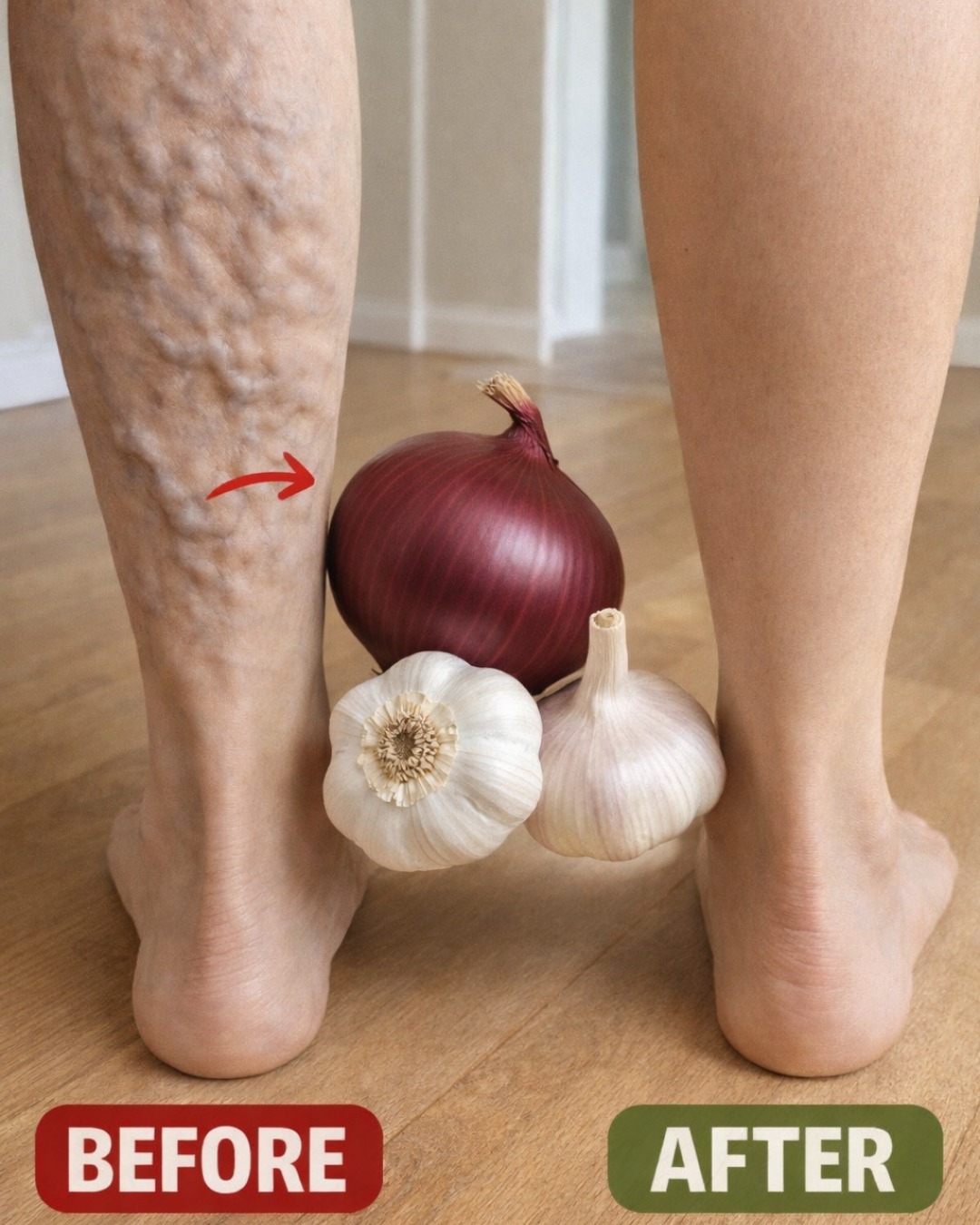
Varicose veins occur when veins become enlarged, twisted, and visible under the skin, often in the legs, due to weakened valves that allow blood to pool instead of flowing efficiently back to the heart. Spider veins are smaller, web-like versions near the surface. Both can stem from factors like genetics, prolonged standing, pregnancy, or age-related changes in vein walls. The result? That familiar tired, heavy feeling, plus occasional swelling or itching that disrupts daily life.
But that’s not all—these issues often worsen without supportive habits, leading to more noticeable prominence and discomfort.

Onion: A Hidden Source of Quercetin for Vessel Support
Onions are more than just a cooking staple—they’re rich in quercetin, a flavonoid with antioxidant and anti-inflammatory properties. Research, including studies on vascular health, suggests quercetin may help protect vein walls from oxidative stress and reduce inflammation in lab models. Some evidence points to its role in supporting capillary strength and potentially reducing vessel permeability.
Key potential benefits from research include:
- Strengthening capillary walls
- Providing anti-inflammatory effects
- Supporting overall circulatory function in preliminary models
Experts note that incorporating onions regularly, whether through diet or careful topical use, aligns with broader vein-supportive routines. Red onions often contain higher quercetin levels, making them a smart choice.
Garlic: Promoting Smoother Blood Flow Naturally
Garlic’s potent compounds, especially allicin (activated when crushed), have long been studied for cardiovascular benefits. Reviews and clinical insights indicate it may help relax blood vessels, support healthy circulation, and contribute to better blood flow. This could indirectly ease factors that make veins more prominent, like pooling or pressure.
Here’s the reality: consistent use shows promise in promoting vascular relaxation and maintaining normal blood pressure in various studies.
Supported observations include:
