
Method #5: Damp Bathroom Zones
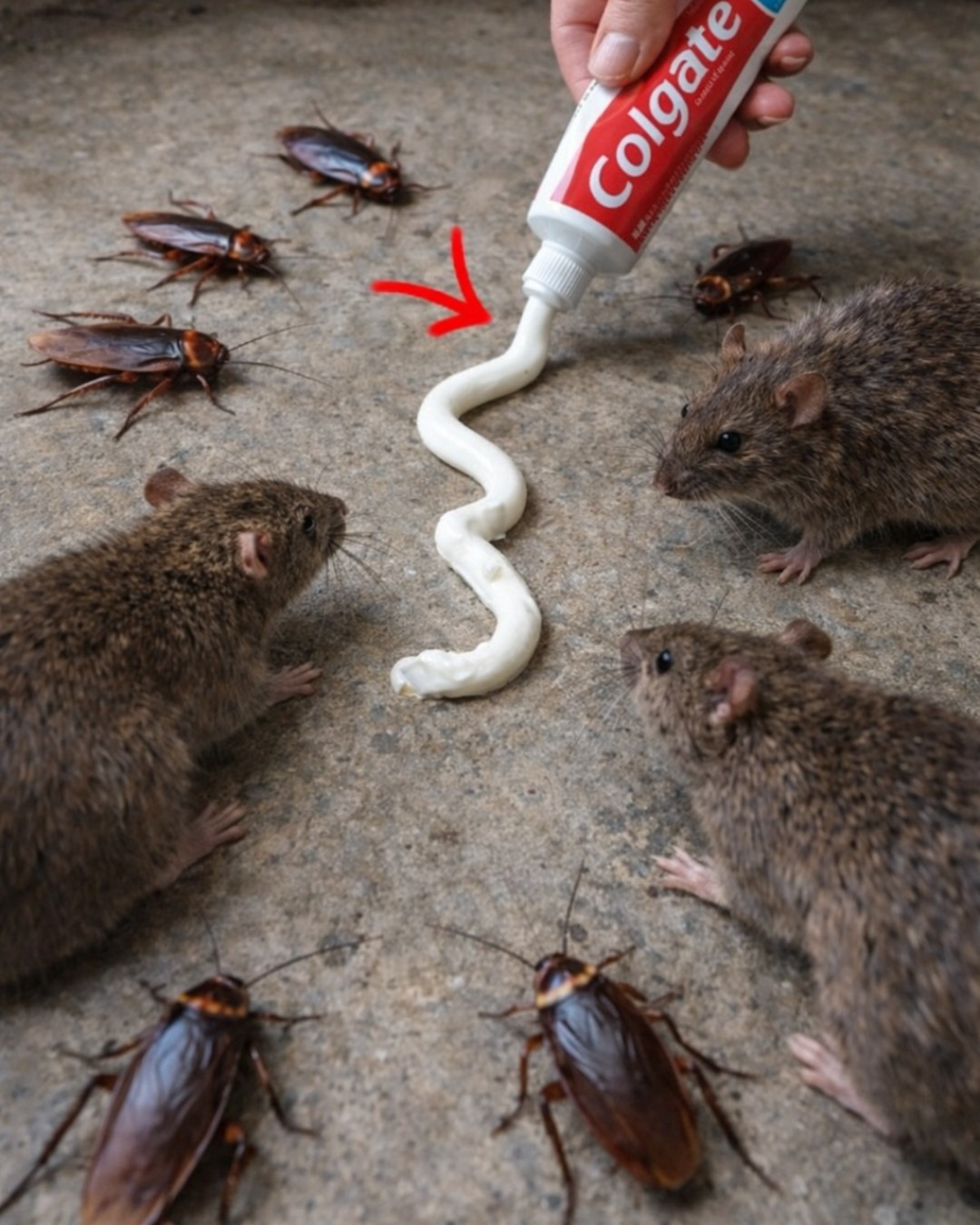
Cockroaches favor moisture. Dot toothpaste around sink bases, behind toilets, and bathtub edges for a potential deterrent plus a fresh scent.
Method #6: Garages and Basements
Mice seek warmth here. Apply along floor edges, shelves, and foundation cracks to make spaces less inviting.
Method #7: Outdoor Entry Points
Line exterior thresholds, garage bottoms, and foundation areas with dots (use weather-resistant toothpaste if available).
Method #8: A Safer Choice for Families
Unlike many chemical options, toothpaste avoids strong fumes or residues—ideal when pets or kids are around. (Still, keep applications out of reach.)
Discover more
Coffee
Ginger
Groceries
Method #9: Pairing with Other Natural Helpers
Boost results by combining toothpaste dots with vinegar wipes on surfaces or bay leaves in cabinets for layered deterrence.
Method #10: Long-Term Routine
Consistency matters. Refresh applications weekly or when scent weakens. Turn it into a monthly habit for ongoing maintenance.
Toothpaste vs. Traditional Chemical Methods – Quick Comparison
| Aspect | Chemical Poisons | Toothpaste Mint Method |
|---|---|---|
| Cost | Ongoing, often $50+ | Pennies per application |
| Safety | Potential exposure risks | Generally pet- and child-friendly scent |
| Ease of Use | May need pros | Simple DIY, right away |
| Longevity | Often temporary | Needs regular reapplication |
The Everyday Habit That Could Make a Difference
Imagine 30 days from now: quieter nights, cleaner surfaces, and less worry—all from a small, consistent change. While not a cure for severe infestations, many find this approach reduces minor issues affordably. Start tonight with one area, observe changes, and combine with basics like sealing cracks, cleaning spills promptly, and proper food storage.
The real power lies in prevention plus persistence.
Frequently Asked Questions
Does toothpaste really help deter ants and cockroaches?
Many report success from the strong peppermint scent disrupting trails and senses. Results vary by situation, but it’s a low-risk experiment.
Is it safe around pets and children?
Most standard toothpaste is non-toxic in small amounts, but place it out of reach to prevent ingestion. Avoid varieties with xylitol, which can harm pets.
How often should I reapply?
Weekly or every two weeks, depending on humidity and activity. Refresh when the mint smell fades.
This article is for informational purposes only and is not a substitute for professional pest control advice. For severe or persistent infestations, consult a licensed exterminator.
(Word count: ~1,320)
