
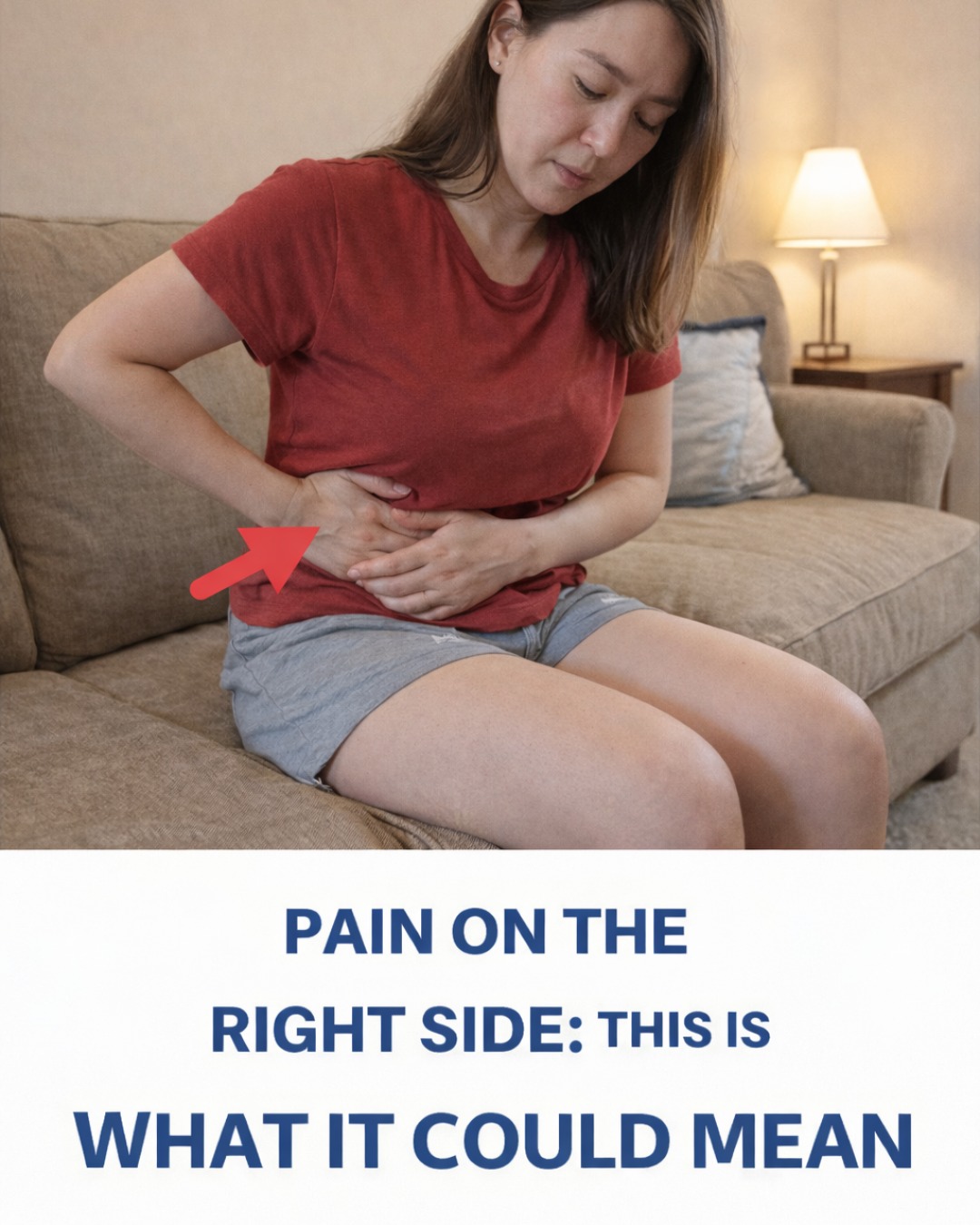
Kidney-Related Sources of Right Side Pain
Issues with the right kidney commonly produce flank pain—dull, aching, or sharp—often felt in the mid-back or side. Kidney stones or infections may include urinary changes, fever, or nausea, making hydration feel more important than ever.
Pain relief products
Harvard Health Publishing emphasizes that early awareness of these symptoms can help prevent worsening.
Liver Conditions and Their Link to Right Side Pain
Upper right side pain under the ribs may signal liver inflammation, such as from hepatitis, often paired with fatigue. Lifestyle factors heavily influence liver health, per World Health Organization guidelines.
Wellness coaching subscription
Cardiovascular Concerns Mimicking Right Side Pain
While heart issues usually affect the left or center, atypical presentations—like in some women—can involve right side chest discomfort. The American Heart Association stresses recognizing varied symptoms to avoid confusion.

Referred Pain Explaining Right Side Discomfort
Sometimes pain originates elsewhere but feels right-sided, such as from pneumonia referring to the chest or side. WebMD reviews note how this can mislead initial assumptions.
Pain relief products
Categories of Right Side Pain
- Sharp, sudden pain often points to acute issues, demanding quick attention to prevent escalation.
- Chronic or dull pain may stem from ongoing conditions like arthritis or digestive problems, requiring consistent management.
Diagnosing the Source of Right Side Pain
Doctors typically start with a physical exam and history review. Blood tests check for inflammation or infection. Imaging like ultrasounds, CT scans, or X-rays helps visualize organs, muscles, or bones.
Available Treatments for Managing Right Side Pain
Treatments depend on the cause:
- Over-the-counter anti-inflammatories for muscle strains.
- Antibiotics for infections.
- In severe cases like appendicitis or large gallstones, procedures may be needed.
Natural options include:
- Hot/cold compresses for strains.
- Gentle yoga or walking to build strength.
- Acupuncture, with some support from Cochrane reviews for chronic cases.
Preventing Right Side Pain Through Healthy Habits
Building preventive routines can make a big difference:
Pain relief products
- Exercise regularly to strengthen core and back muscles.
- Eat a balanced, fiber-rich diet low in fatty foods to support digestion and liver health.
- Stay hydrated to promote kidney function.
- Practice good posture and take breaks from sitting.
- Incorporate daily stretches targeting the sides and back.
When to Seek Medical Help for Right Side Pain
Contact a doctor promptly if pain is severe, persistent, or accompanied by fever, vomiting, shortness of breath, or urinary changes—these could signal something needing urgent care.
In conclusion, right side pain often traces back to common, treatable causes like strains, digestive issues, or organ-related concerns. Spotting triggers early and adopting healthy habits can restore comfort and peace of mind. One surprising factor many overlook? Chronic stress—it tightens muscles, worsens digestion, and amplifies pain perception through the gut-brain connection, turning minor issues into bigger discomforts. Managing stress via mindfulness, exercise, or relaxation techniques can quietly ease symptoms for many.
Wellness coaching subscription
FAQ
What are some home remedies for mild right side pain?
For minor muscle or digestive discomfort, try warm compresses, gentle stretching, staying hydrated, or over-the-counter pain relief—but stop and consult a professional if it lingers or worsens.
How can I tell if right side pain is serious?
Sudden, intense pain—especially with nausea, fever, vomiting, or breathing issues—requires immediate evaluation, as it could indicate appendicitis, infection, or other urgent conditions.
Does diet affect right side pain?
Absolutely—high-fat or low-fiber meals can trigger gallstones or IBS flares, while balanced, hydrating choices often help manage or prevent symptoms.
Groceries
This article is for informational purposes only and is not a substitute for professional medical advice. Always consult with a healthcare provider for personalized guidance.
